
What Easie did in 2025
Overview
In 2025, Easie's eighth year, our implementation-focused services model continued to grow using our centralized team of experts.
We expanded EasieOps to provide flexible software modules for custom portals, document/website data extraction and AI-enabled systems for managing business operations.
Real-world AI deployments moved beyond chatbots into production use cases across computer vision, natural language processing and automated data extraction.
Automation infrastructure proved critical to successful AI implementation, with cloud-based solutions offering 99%+ cost savings at scale compared to low-code platforms.
Nonprofit organizations showed strong AI interest but face adoption barriers due to lack of formal strategies and policies.
Nearly all 2025 Easie projects involved tech-enabled services, reflecting a shift toward scalable, automated solutions over manual delivery.
Looking ahead to 2026, Easie plans to scale EasieOps adoption, strengthen partnerships and continue R&D-driven innovation.
Introduction
As Easie concludes its eighth year, clients across 40+ industries continue to recognize the value of a single-source expert team for diverse implementation needs. Since 2018, Easie has evolved to deliver technology, business and creative solutions across public, private and nonprofit sectors.
In 2025, we continued to see implementation-focused projects account for the majority of our projects compared to projects that were focused on strategy, analysis or takeaways that can be implemented separately. In other words, it was clear in 2025 that clients continue to want tangible deliverables and implementation rather than a “$40,000 strategy PDF”.
Easie’s model operates using our expert team and proprietary software products to provide a centralized, quality-controlled service for a wide range of implementation use cases, which were largely focused around AI and automation in 2025.
Many of our clients historically contracted multiple service providers or large internal teams to complete projects, which led to deeply complex project management, over-budget initiatives or outcomes that were difficult to predict. Easie's clients range from startups and middle-market firms to late-stage companies, enterprises and publicly traded organizations.
We are proud of the Easie team and wanted to thank everyone who has supported us during our first eight years of business. The value around the model of implementation-focused services for varying core business needs continues to be validated by new and existing clients.
During the year 2025, Easie continued to establish itself as a go-to resource for many different types and sizes of businesses, organizations and use cases. This blog post summarizes five overall trends we saw in 2025, notable developments and our plans going into 2026.
Trend 1:
Expansion of EasieOps
Throughout Easie's existence as a company, we have seen consistent demand for custom applications that are integrated with third-party software systems. Clients often discuss having fragmented systems while using spreadsheets or many different applications to manage their operations. Oftentimes, client data lives in a single source of truth such as Salesforce, HubSpot, SAP or NetSuite with secondary systems either duplicating data or being disconnected in a way that tracking or maintaining data integrity involves significant manual labor.
Simultaneously, many business operations require processing large amounts of data through documents, websites or other data sources and conducting manual extraction, processing or judgment to route and process data correctly. These problems often pervade industries and can be found throughout unrelated sectors.
After seeing these issues firsthand, the Easie R&D team expanded their EasieOps platform in 2025 to offer a single set of reusable software modules that can be configured to specific business use cases. This generally involves a period of preproduction followed by a standard implementation scope to create truly purpose-built modules without having to compromise workflows to fit into an out-of-the-box system. This also avoids having rip-and-replace existing, entrenched systems that are providing value despite being fragmented.
The following are the core features of EasieOps:
Comprehensive data integrations with most business SaaS platforms via a unified, flexible API and data schema.
Extract data automatically from complex documents with varying formats, handwritten data or in images/PDFs.
Automatically interact with websites to extract or submit data, track updates or review content on a scheduled basis.
Semantic search of large-scale document libraries using natural language rather than keywords or rigid filters.
Internal/external portals with custom features, secure database and personalized user experience configured to specific use cases (marketplaces, staffing platforms, operations management tools) that can push and pull data to/from other systems without starting from scratch. Users are required to sign in and are permission-controlled for portals.
AI-enabled features around automatic data classification, data augmentation and data-enriched chat.
Embeddable AI chatbot or agent widgets that can be installed in other websites or apps.
EasieOps' primary initial adoption was from PE-backed and middle market firms as well as the nonprofit sector. The consistent message around these projects was that out-of-the-box SaaS is significantly less useful than fit-for-purpose modules that can be deployed in weeks or months and easily changed without a dramatic secondary scope of work. Additionally, having the option for EasieOps to be built on top of existing SaaS tools (such as Salesforce, Quickbooks or NetSuite) allowed for clients to continue using their core software products from a single place without having to abandon core systems or data migration.
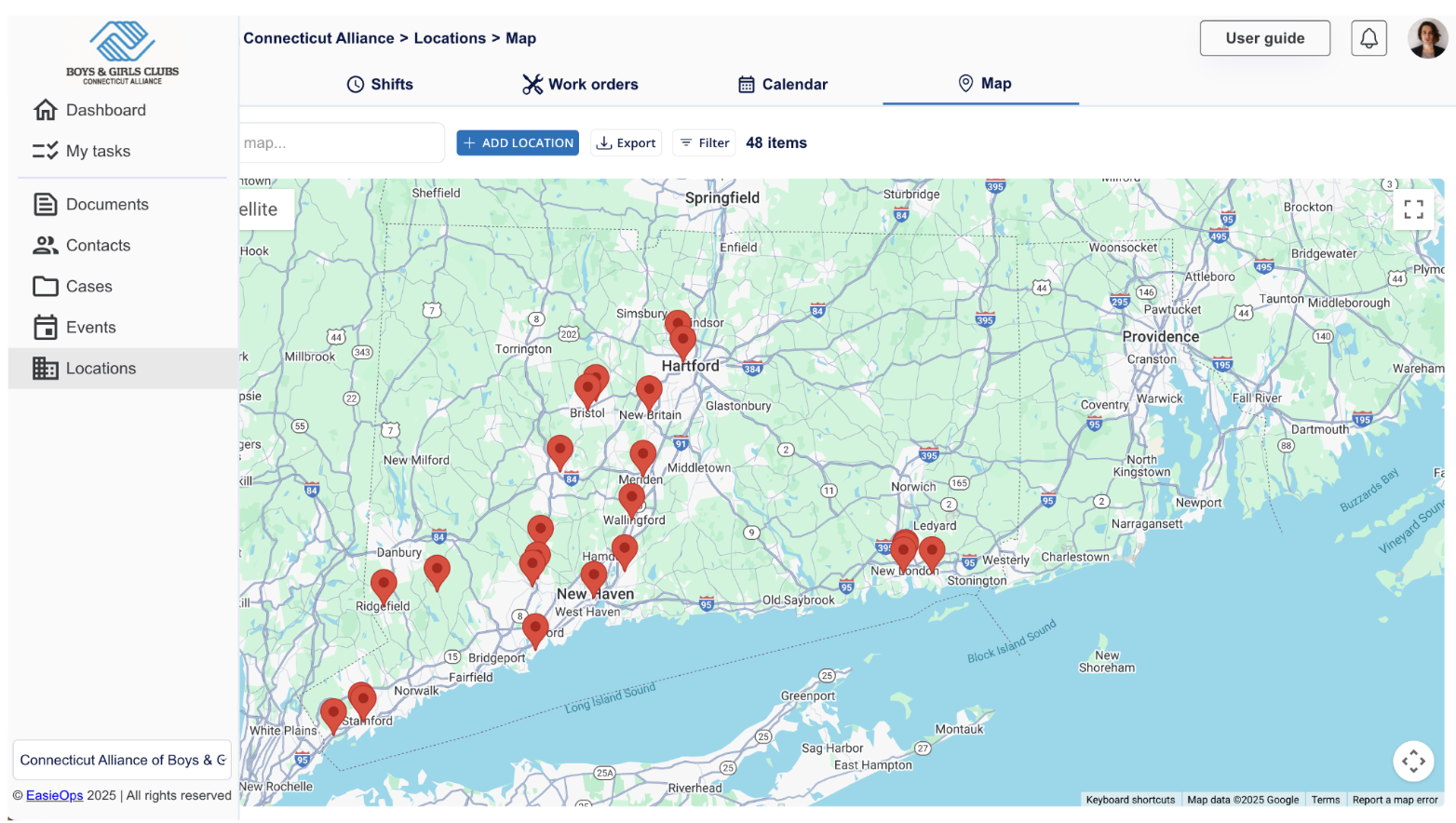
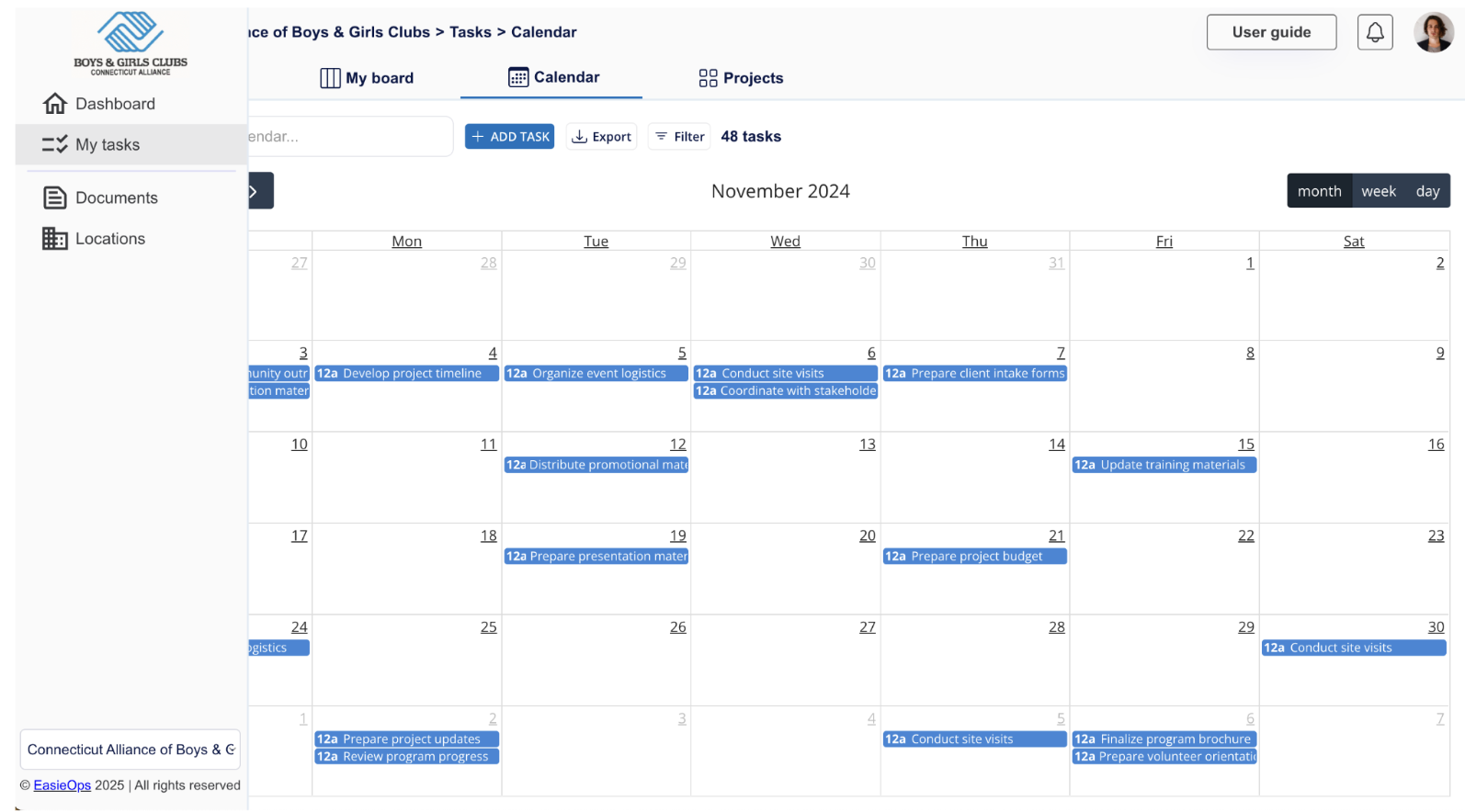
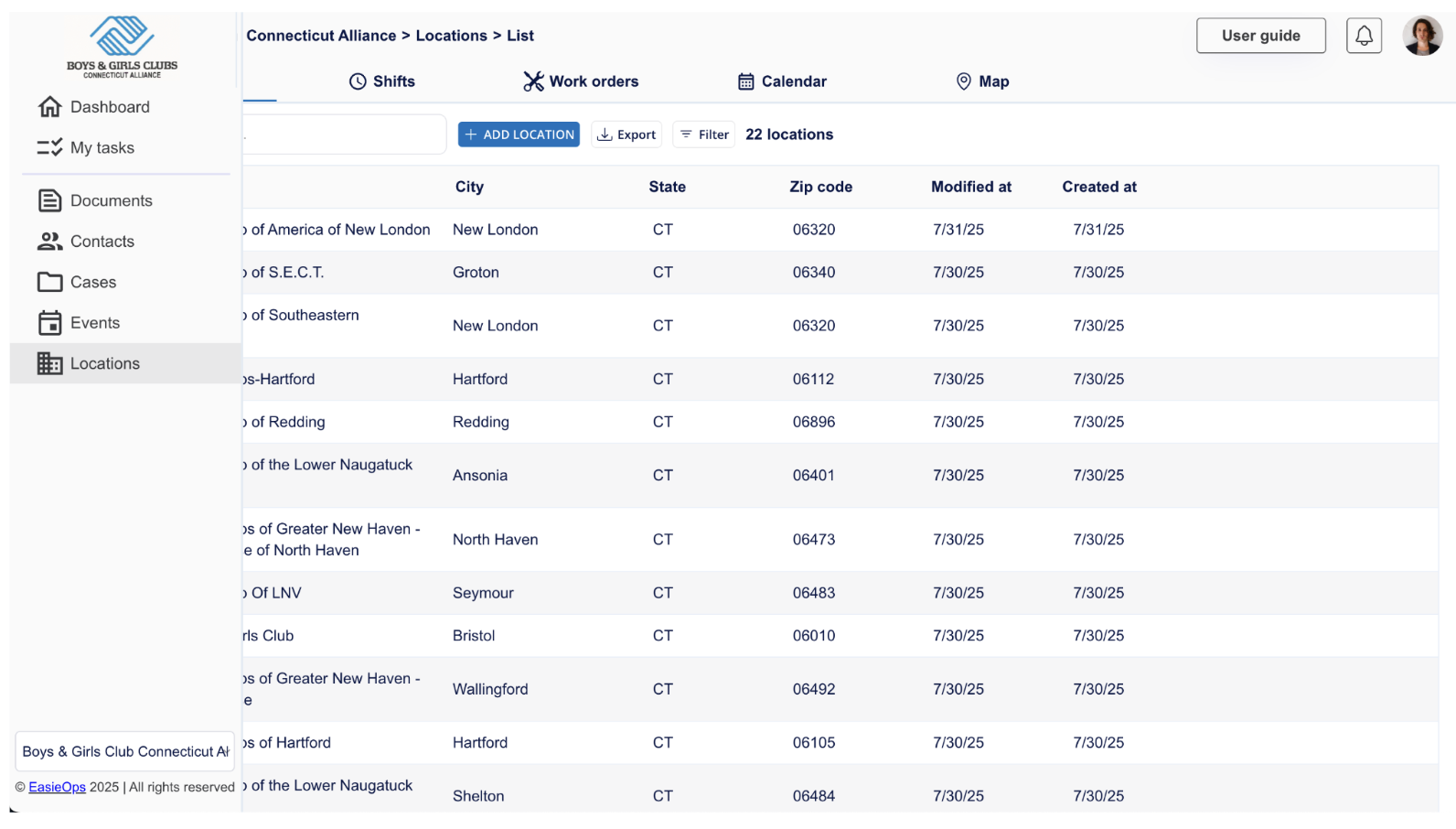
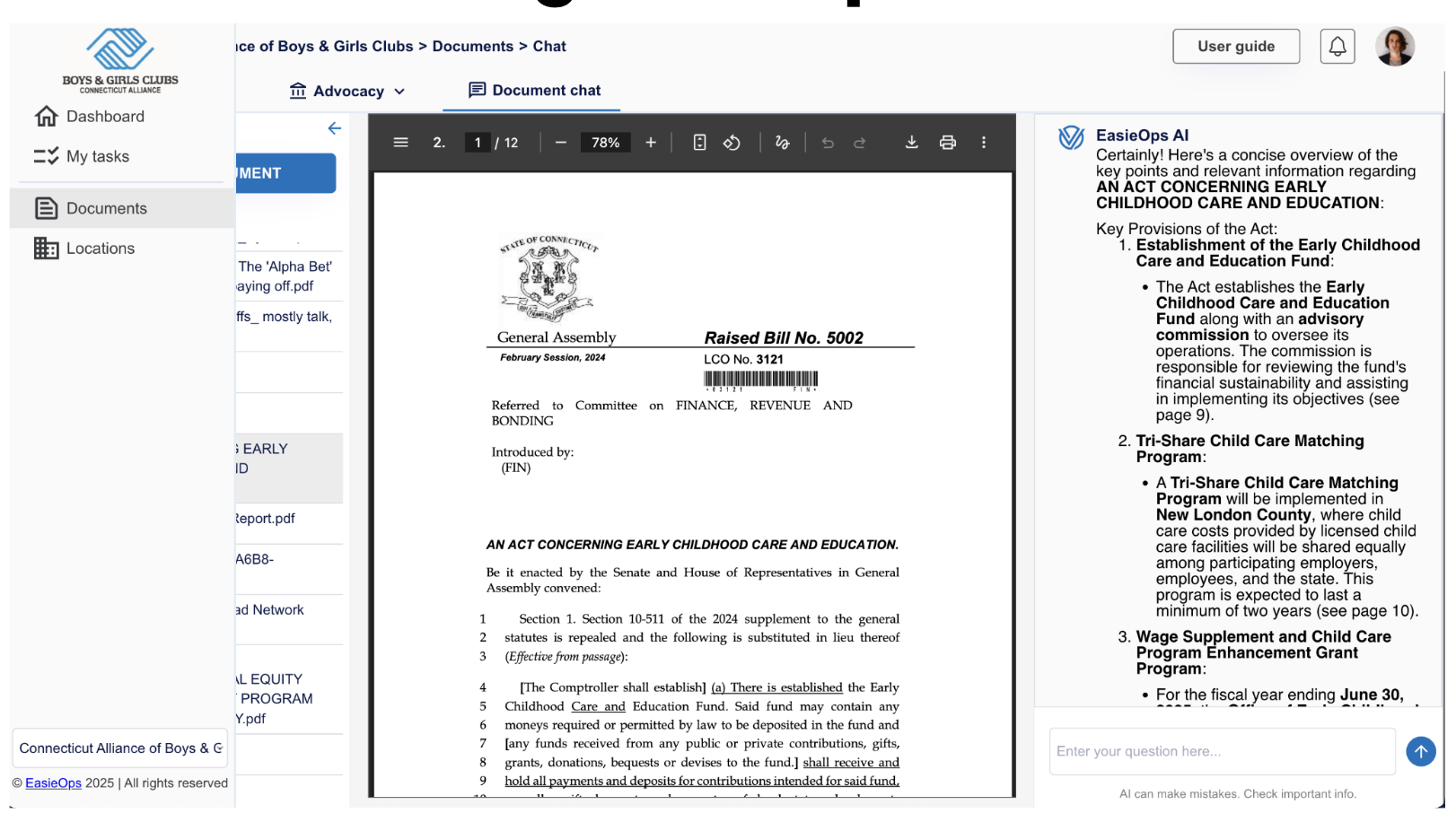
The following are example screenshots of EasieOps portal modules in action (see more examples in trend 2):
EasieOps was also featured in the San Diego Business Journal shortly after expansion.
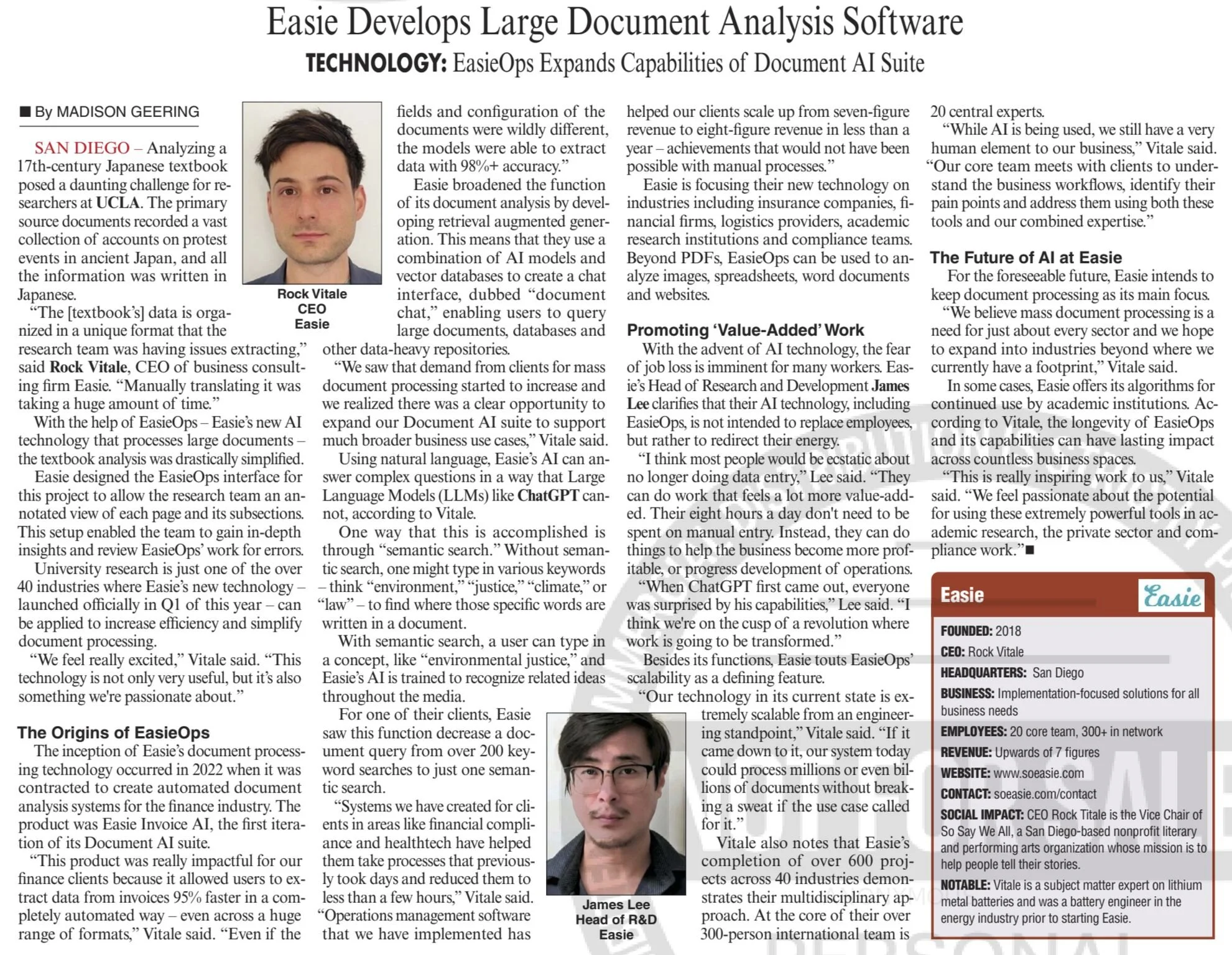
Figure 1.0 - EasieOps 2025 article in the San Diego Business Journal
Trend 2:
Fully deployed, production use cases for AI beyond just chatbots
In the infamous and widely cited 2025 MIT study titled "The GenAI Divide: State of AI in Business 2025," an alarming statistic captured headlines: 95% of custom enterprise AI tools failed to reach production (1).
However, a closer look reveals a critical nuance. While the MIT study saw that internal AI development efforts achieved only a 33% success rate, organizations pursuing strategic partnerships with external AI implementation vendors reached deployment 67% of the time (1). Rather than pointing to a fundamental flaw in AI implementation, this study shows the importance of approach and partnership models.
The Easie team observed this pattern firsthand in 2025. Organizations that collaborated with us to move beyond generic chatbot implementations and invested in deeply customized, workflow-integrated AI systems achieved measurable, long-term value. The key differentiator was building learning-capable systems that adapted to specific operational contexts rather than forcing operations to adapt to static tools that were hard to change. Critically, systems designed to be flexible and easily configurable proved essential, as iterations based on real-world usage were unavoidable regardless of initial planning.
While Easie has been involved in AI and automation implementation since our founding in 2018, this trend accelerated dramatically in 2022 after the release of ChatGPT. From a business perspective, Easie continues seeing significant client interest in adding AI-enabled solutions to traditional business processes.
One notable finding which has stayed consistent is that while large language models demonstrated tremendous value across use cases, Easie also found significant value in more narrow, fit-for-purpose AI systems including open-source models and specialized tools optimized for specific tasks.
2025 saw multiple projects in offering real-world AI solutions to our clients across computer vision, natural language processing and automated data extraction from unstructured sources. The use of emerging technology has been a critical aspect of Easie's R&D strategy, including AI projects prior to the release of mainstream large language models. We will continue to roll out products and services supporting these areas through EasieOps going into 2026.
The following examples represent high-impact AI use cases across clients that moved from pilot to full production deployment.
Computer vision for document data extraction
Easie deployed an integrated computer vision model that reduced data entry for critical compliance documents by 99% for a middle-market client. This implementation moved beyond simple OCR to understand document structure, validate data consistency and flag anomalies for human review or to retry upload. The system was optimized over multiple iterations, improving accuracy and error handling with each processing cycle.

Figure 1.1 - EasieOps document processing pipeline with integration examples
Natural language image segmentation for computer vision models
Using a fine-tuned LLM with conversational segmentation capabilities, this pipeline (powered by EasieOps infrastructure) automates the semantic segmentation of images at scale for university research teams, eliminating the need for manual pixel-level annotation that would be prohibitively expensive and time-consuming for datasets of this magnitude. The system will be processing approximately 7 million images in 2026 through a multi-pass label taxonomy, generating pixel-accurate masks, bounding boxes and labeled annotations that are exported to LabelBox for quality validation before being used to train a narrowly scoped computer vision model with a visual transformer backbone for further research.
This approach combines natural language understanding with computer vision to enable more nuanced categorization than traditional methods, particularly for complex scenarios requiring contextual interpretation of equipment, actions and spatial relationships.
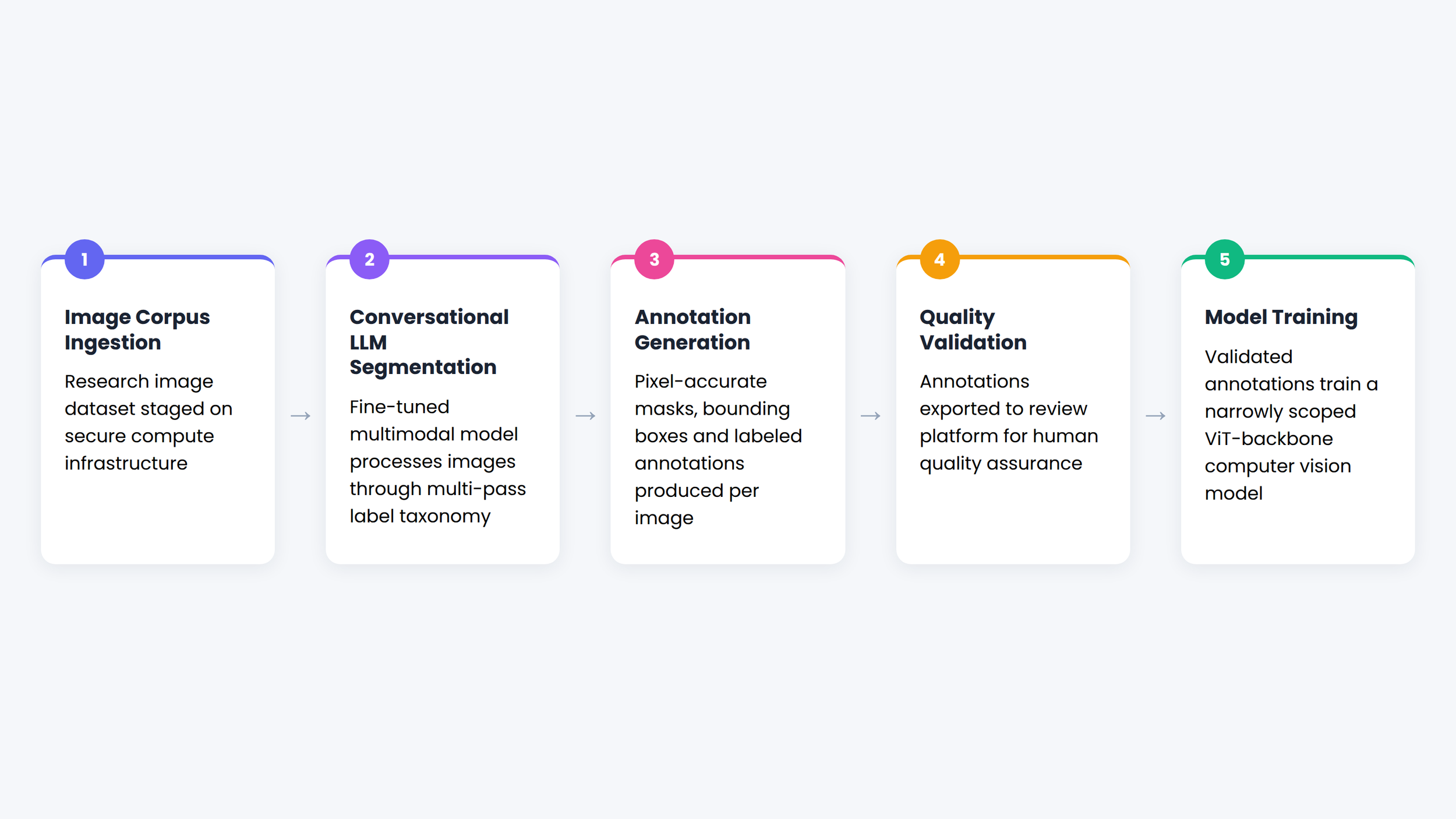
Figure 1.2 - EasieOps image segmentation pipeline
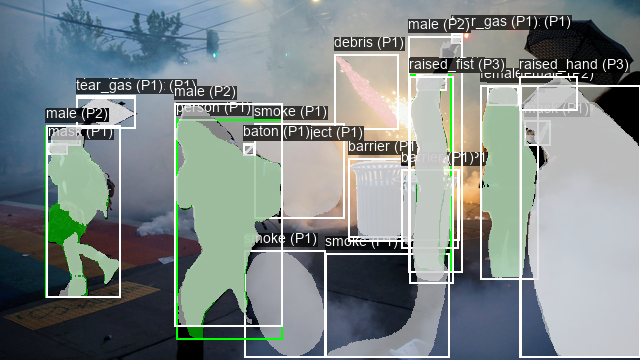
Figure 1.3 - EasieOps image segmentation after processing
AI-driven contact data enrichment
Easie implemented AI-driven enrichment of contact data to personalize content for large-scale cold email outreach. The system automatically analyzed publicly available information, website content and company data to generate personalized messaging and augmented data that significantly improved engagement rates compared to generic templates or spintax for multiple initiatives.
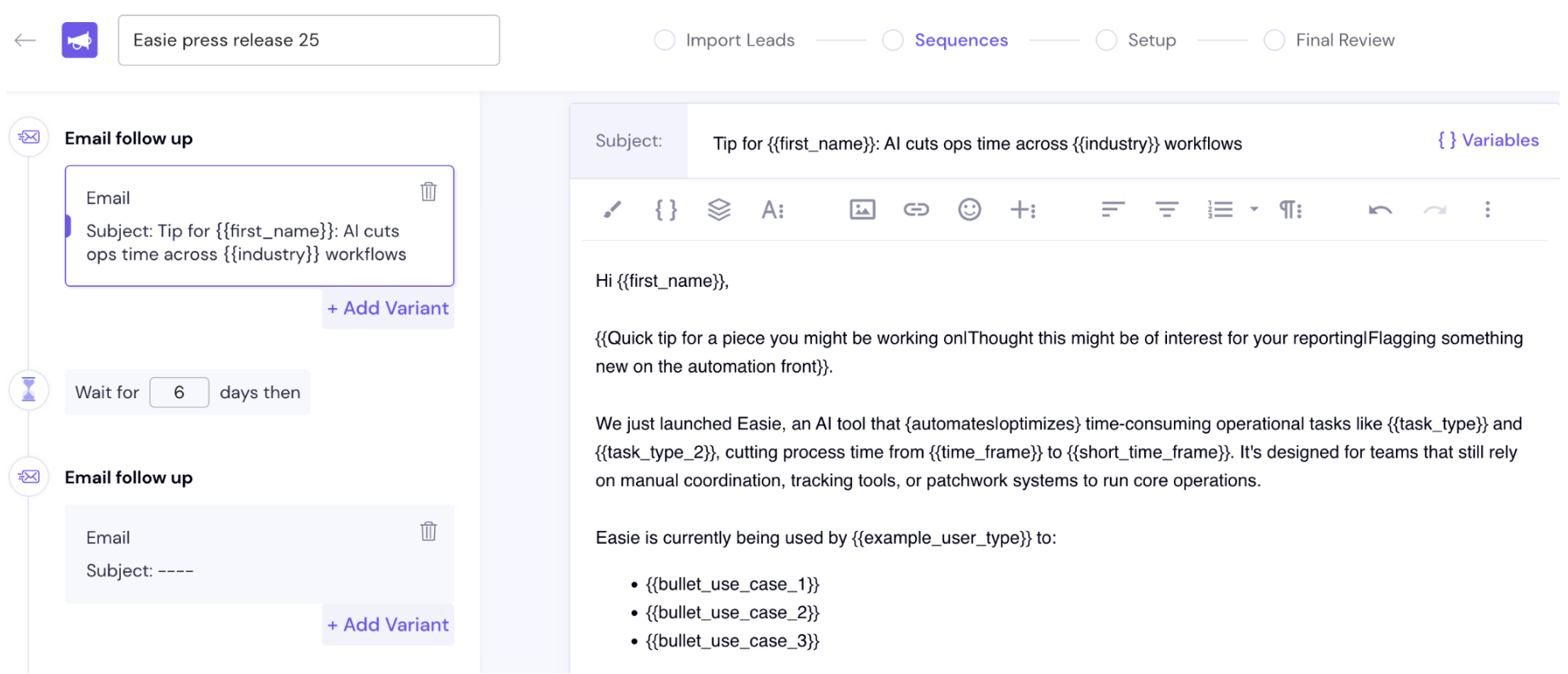
Figure 1.4 - Example of placeholder variables to be used after AI-enriched hyper-personalized data upload
Large-scale data classification
AI classification systems were deployed to accurately and efficiently categorize large datasets including files, images and unstructured data. These implementations handled classification tasks that would have required weeks of manual review, completing them in real-time while maintaining high accuracy.
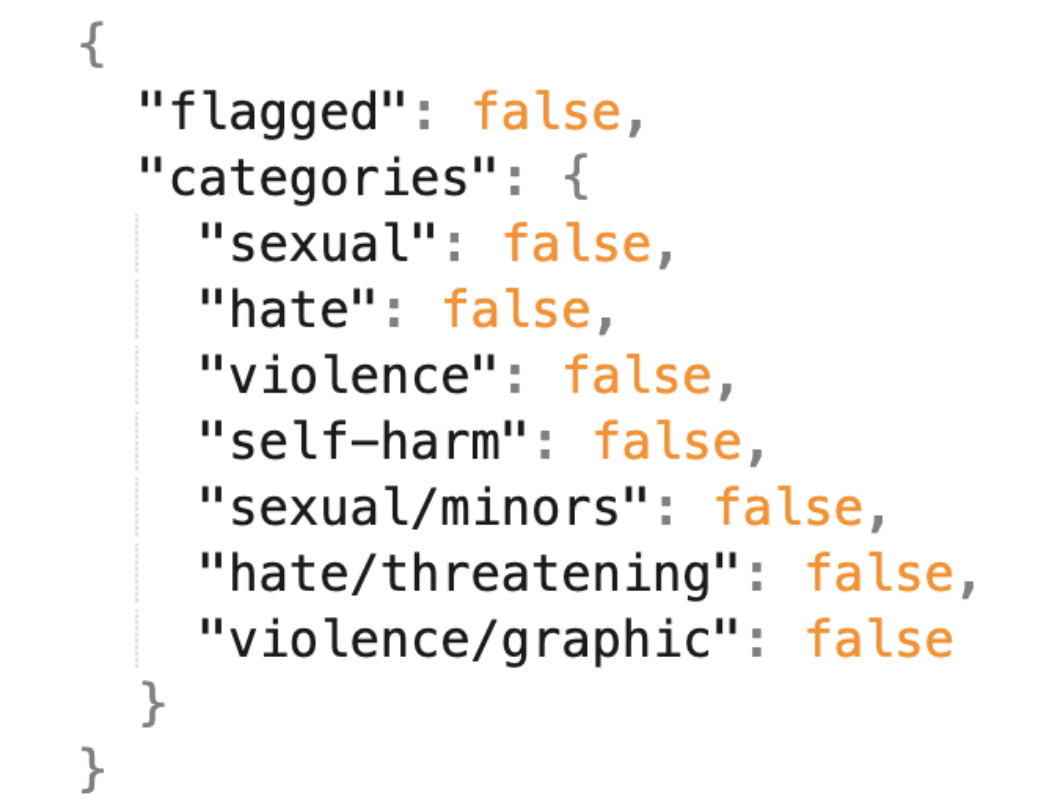
Figure 1.5 - AI classification output for image input
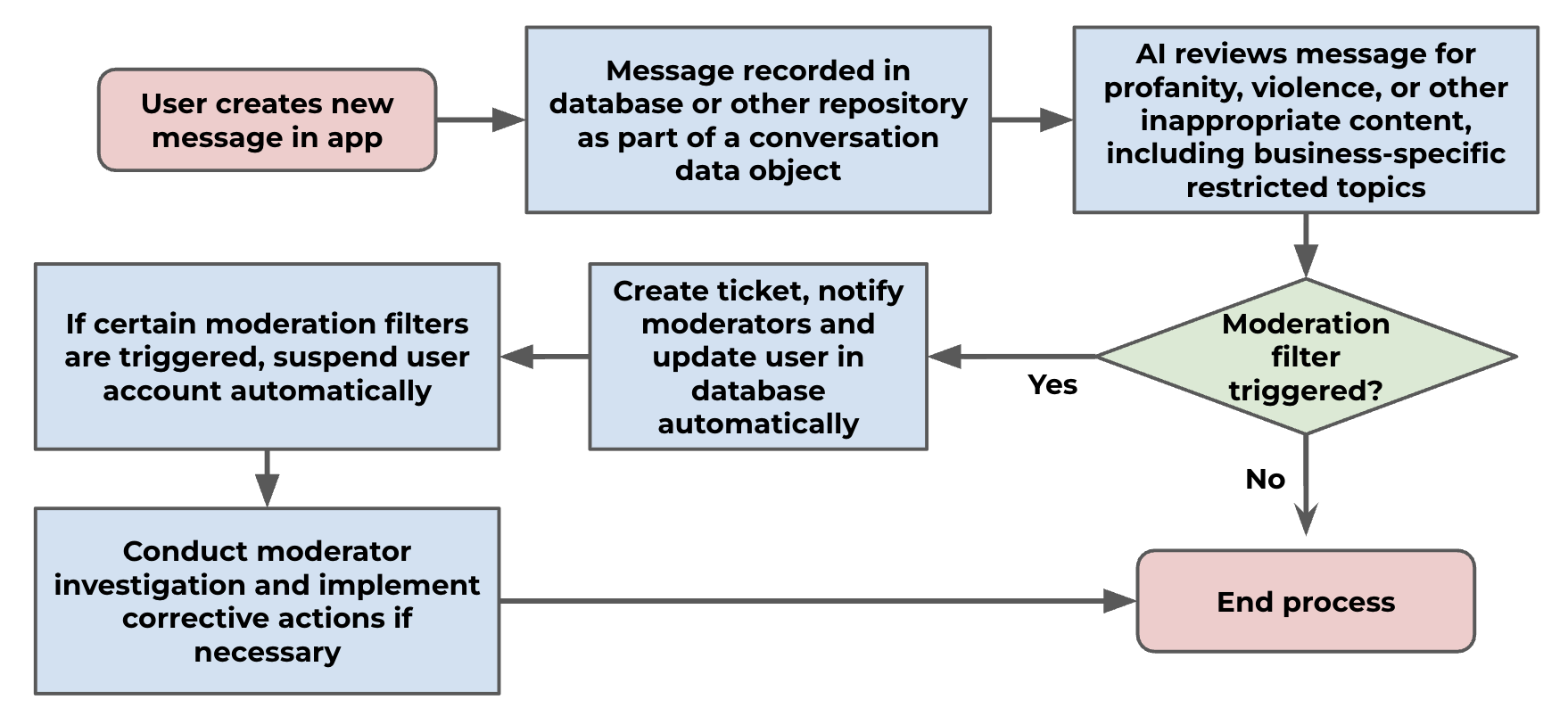
Figure 1.6 - Example AI-enabled moderation workflow for classification of user messages
Document analysis via chat interface
EasieOps modules were configured to offer AI systems for near-instant analysis of lengthy documents via chat interfaces, streamlining the review of 100+ page reports. Users could ask specific questions, request summaries of particular sections, or identify relevant clauses without reading entire documents, reducing review time from hours to minutes.
Figure 1.7 - EasieOps document chat example
AI-enabled government affairs and policy analysis
AI-enabled government affairs and policy analysis systems automated bill tracking and created advocacy materials aligned with organizational priorities. These tools monitored legislative websites and databases on a scheduled basis, identified relevant bills through configurable classification, summarized key provisions on a client-by-client basis and generated initial drafts of position statements or advocacy communications. This was accomplished through configuring EasieOps modules for this use case.
Figure 1.8 - EasieOps government affairs example for the state of Connecticut
Embedding and similarity clustering for large scale document analysis
For large-scale analysis of documents, Easie created systems that involve embedding document texts (or abstracts) into a shared semantic space and applying unsupervised clustering to group documents by conceptual similarity. This allows us to move beyond keyword search and instead identify emerging research areas, growth patterns and related work based on meaning. By analyzing clusters rather than individual documents, we can prioritize areas of activity, surface underexplored themes and translate results into insights.
For vector database infrastructure, Easie found pgvector to be highly effective and significantly more cost-efficient than closed-source alternatives like Pinecone. Beyond cost savings, pgvector offers substantially greater configurability and eliminates vendor lock-in, allowing organizations to maintain full control over their data infrastructure and avoid dependency on proprietary platforms. This open-source approach proved particularly valuable for clients requiring custom indexing strategies, specialized distance metrics, or integration with existing Postgres workflows without the constraints of managed vector database services.
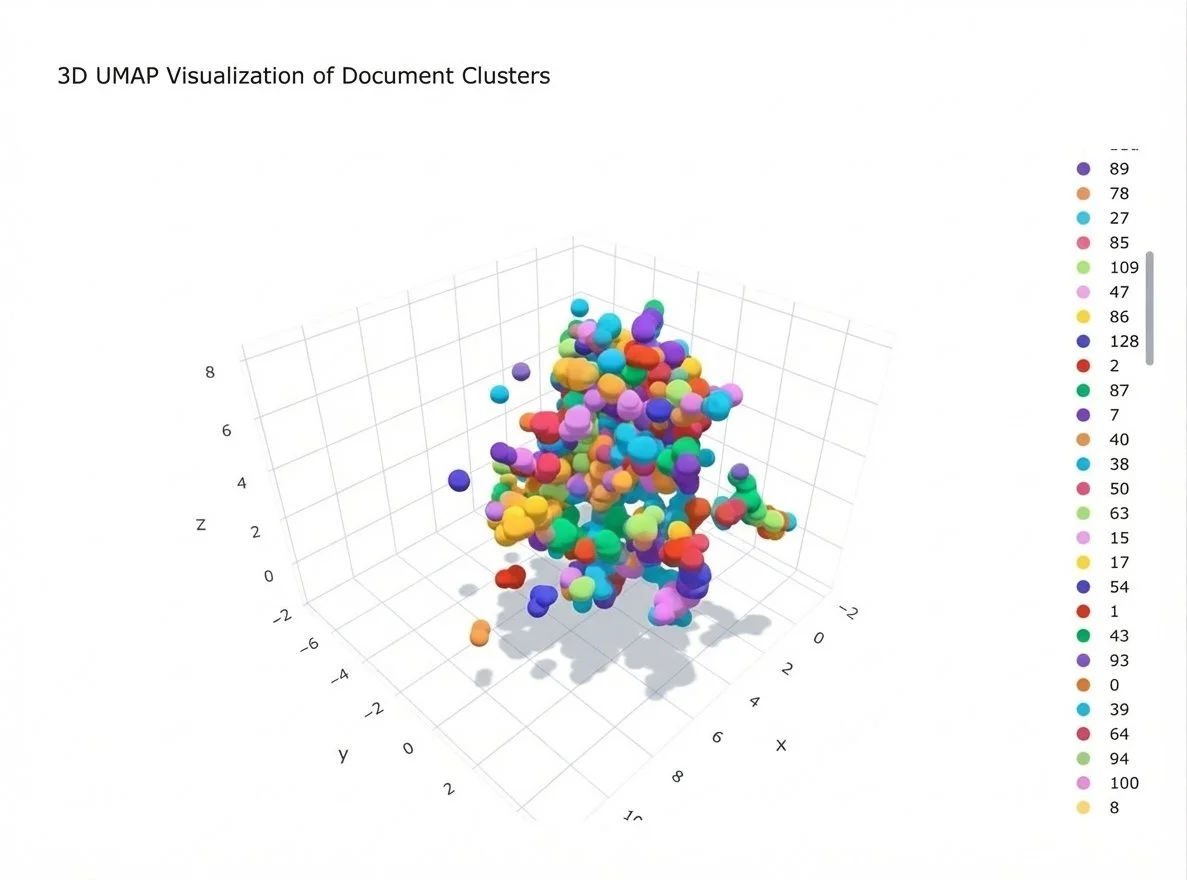
Figure 1.9 - 3D visualization of document clusters (4)
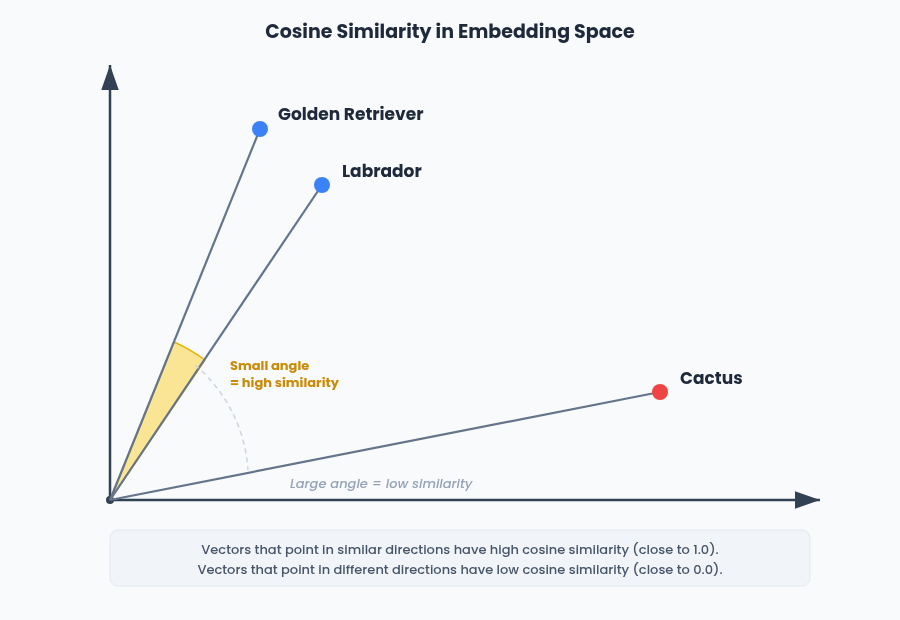
Figure 2.0 - Simplified visual representation of cosine similarity using embeddings-based search
AI chatbots for customer support and e-commerce sales
Using fine-tuned website chatbots with retrieval augmented generation, Easie helped an e-commerce client in the B2C space increase sales by 25% after installing a chatbot and updating the website’s UI/UX for an improved funnel. These systems went beyond generic FAQ responses to provide personalized product recommendations, handle complex product questions and guide users through purchase decisions.
Further, chatbot implementations reduced customer support requests by up to 75% by handling tier 1 queries before escalating to human agents. These systems were updated from support ticket history, iterated on for common issues and ultimately provided accurate responses while knowing when to escalate complex issues to human representatives to avoid giving incorrect or hallucinated answers.
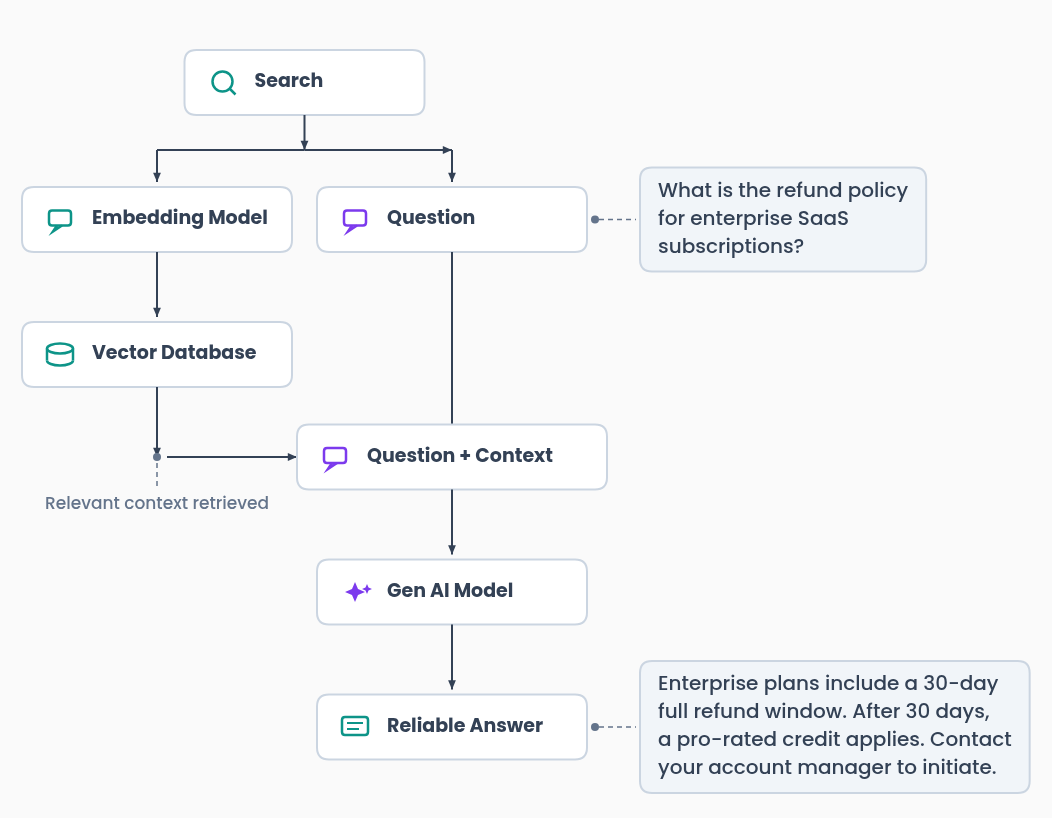
Figure 2.1 - RAG process flow diagram
OCR preprocessing tools for document extraction optimization
To support OCR optimization for text extraction, EasieOps includes a suite of supporting tools for OCR preprocessing that significantly improve text extraction accuracy from documents. These tools are configurable and can be applied separately or in combination depending on document quality and extraction requirements during EasieOps onboarding.
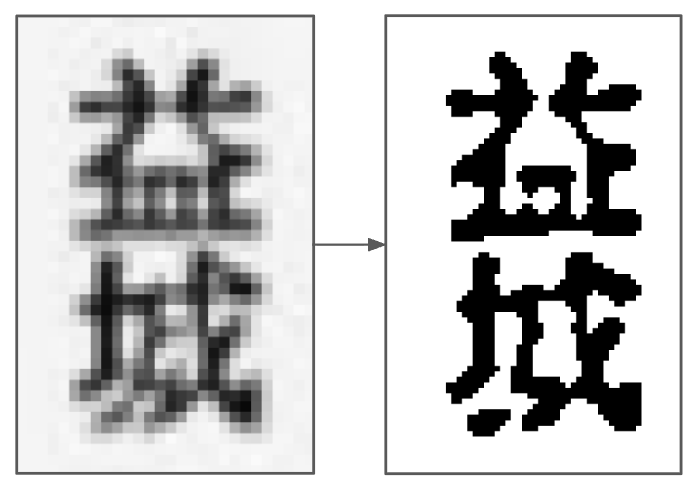
Figure 2.2 - EasieOps OCR pipeline on degraded Japanese text
Available preprocessing algorithms include bilateral filtering to remove noise and scanning artifacts while preserving text edge sharpness and Lanczos-4 interpolation for traditional upscaling that quadruples total pixel count through mathematical interpolation. EasieOps also includes open-source, AI-based upscaling methods that use machine learning to improve image quality.
Additional techniques include CLAHE (Contrast Limited Adaptive Histogram Equalization) which improves contrast by dividing images into tiles and adjusting each separately to brighten faded areas while darkening text and dual-threshold binarization which converts images to pure black text on white backgrounds through adaptive block analysis combined with global thresholding.
The EasieOps team also developed tools for converting PDFs into flattened, upscaled PNGs per page. This preprocessing suite enables improved extraction accuracy compared to direct OCR processing of original documents, with configurations customized to specific document types and quality conditions.
Thought leadership
Further, throughout 2025, Easie team members spoke at multiple events, including webinars and panels, on the topic of practical AI examples for business leaders.

Figure 2.3 - Easie CEO Rock Vitale speaking on AI panel during New York Tech Week event hosted by Mucker Capital
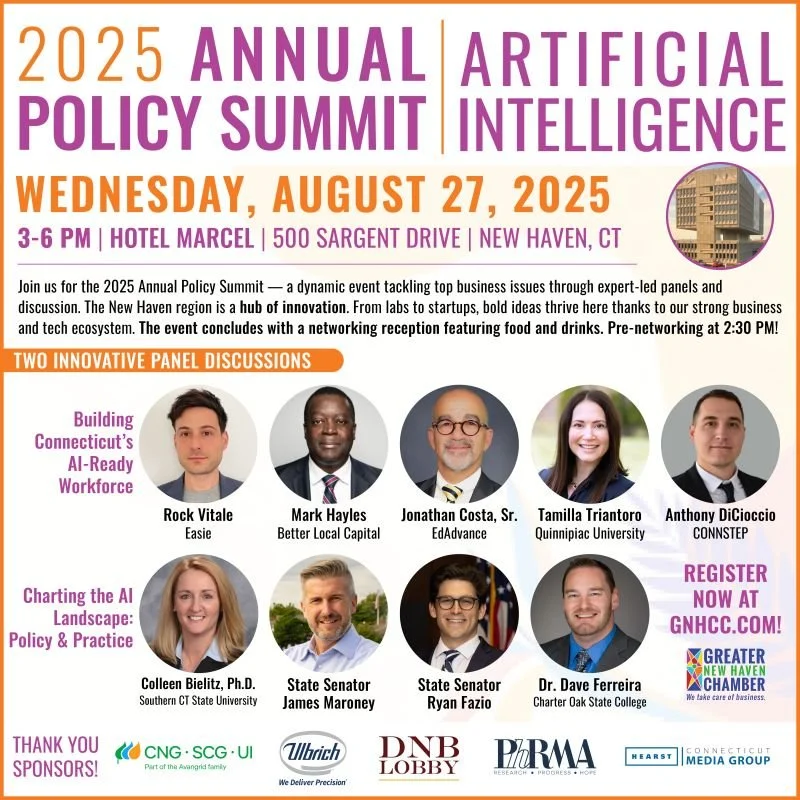
Figure 2.4 - Easie CEO Rock Vitale moderating a panel on “Building Connecticut’s AI-ready workforce” at the GNHCC Policy Summit
The following is a recorded webinar conducted by Rock W. Vitale, Founder and CEO of Easie, in 2025 for Mucker Capital on practical uses of AI & automation for startup operations as well as past work that Easie has done in this field in areas like computer vision, insurance and fintech:
Figure 2.5 - Easie CEO Rock Vitale webinar on “Practical uses of AI and automation for startup operations” hosted by Mucker Capital
Trend 3:
Automation plays a critical supporting role in AI implementation
While AI capabilities dominate headlines and capture attention, the underlying automation infrastructure that enables AI systems to function effectively often goes overlooked. Throughout 2025, Easie observed that successful AI deployments consistently relied on robust automation frameworks to handle data flow, trigger events and coordinate between systems with case-specific business rules.
Critically, Easie's approach involves evaluating whether traditional algorithms or automation techniques can accomplish the task before introducing AI. In many cases, AI adds non-deterministic risk and unnecessary complexity where deterministic automation would be more reliable and maintainable.
The relationship between automation and AI is critical. Automation handles the repetitive, structured tasks that create clean data pipelines and reliable triggers, while AI addresses the unstructured, contextual challenges that require intelligence and adaptation. For instance, automation triggers when a new customer support ticket arrives and extracts structured data, while AI analyzes content, determines sentiment and urgency and drafts an initial response. Neither component delivers full value without the other.
Many organizations initially turn to low-code automation platforms like Zapier, Make, or n8n for rapid prototyping using pre-built connectors. For businesses processing fewer than 2,500 automation tasks per month, these platforms provide excellent value.
However, as volumes scale, cost structures shift dramatically. In the following example, a system processing 3 million task invocations monthly faces approximately $10,000 per month on Zapier, $2,000 to $3,000 on Make, $200+ per month on N8N and under $1 per month on AWS Lambda after its free tier. While Lambda requires coding knowledge, the 99%+ cost reduction at scale makes it the clear choice for high-volume automation infrastructure supporting AI systems. Organizations can start with low-code tools for validation, then migrate to other solutions on AWS, GCP or Azure as automation becomes critical infrastructure.
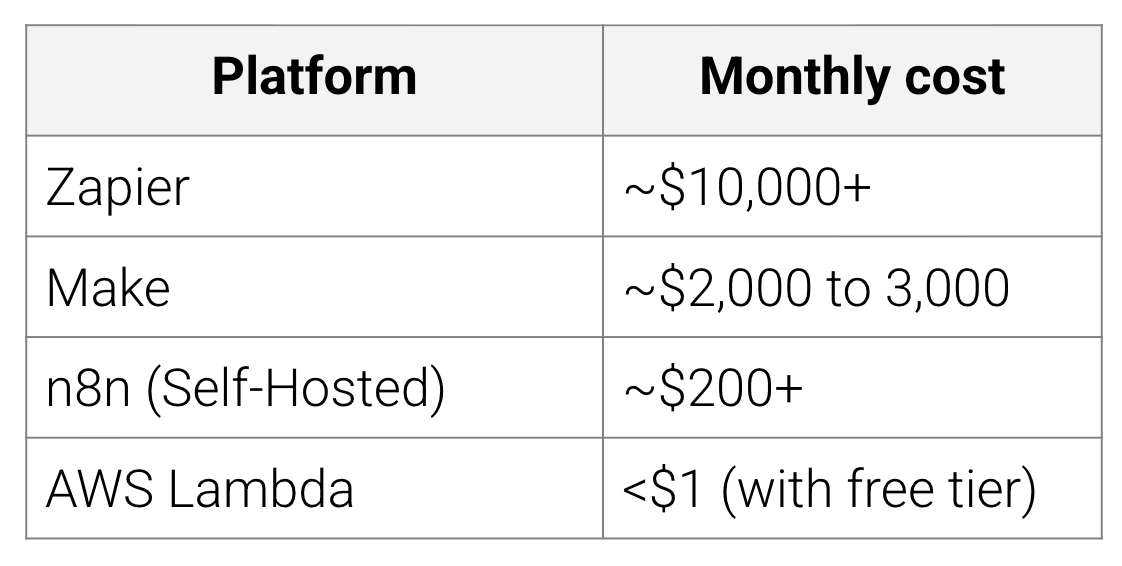
Figure 2.6 - Cost estimates for 3 million runs for automation tools
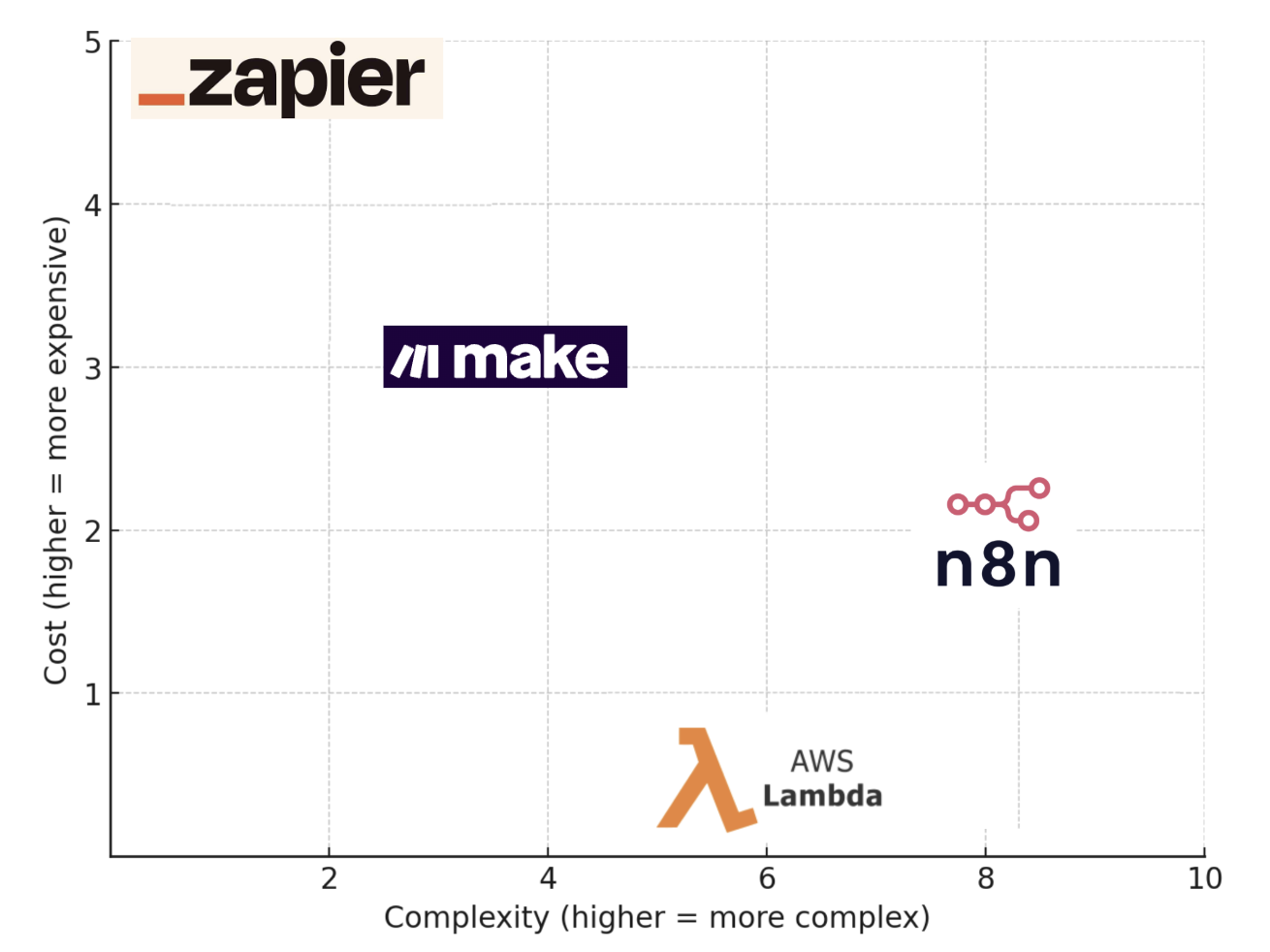
Figure 2.7 - Cost versus complexity comparison for automation tools
Further, as organizations build production-grade automation systems, Easie suggests a design pattern on AWS that provide exceptional fault tolerance and scalability. The SQS (Simple Queue Service) to Lambda architecture creates highly resilient workflows that can handle sudden spikes in volume without data loss or system failures while including automated retries when necessary. When events are published to an SQS queue, Lambda functions automatically scale to process messages at whatever rate is needed, from dozens to millions of invocations.
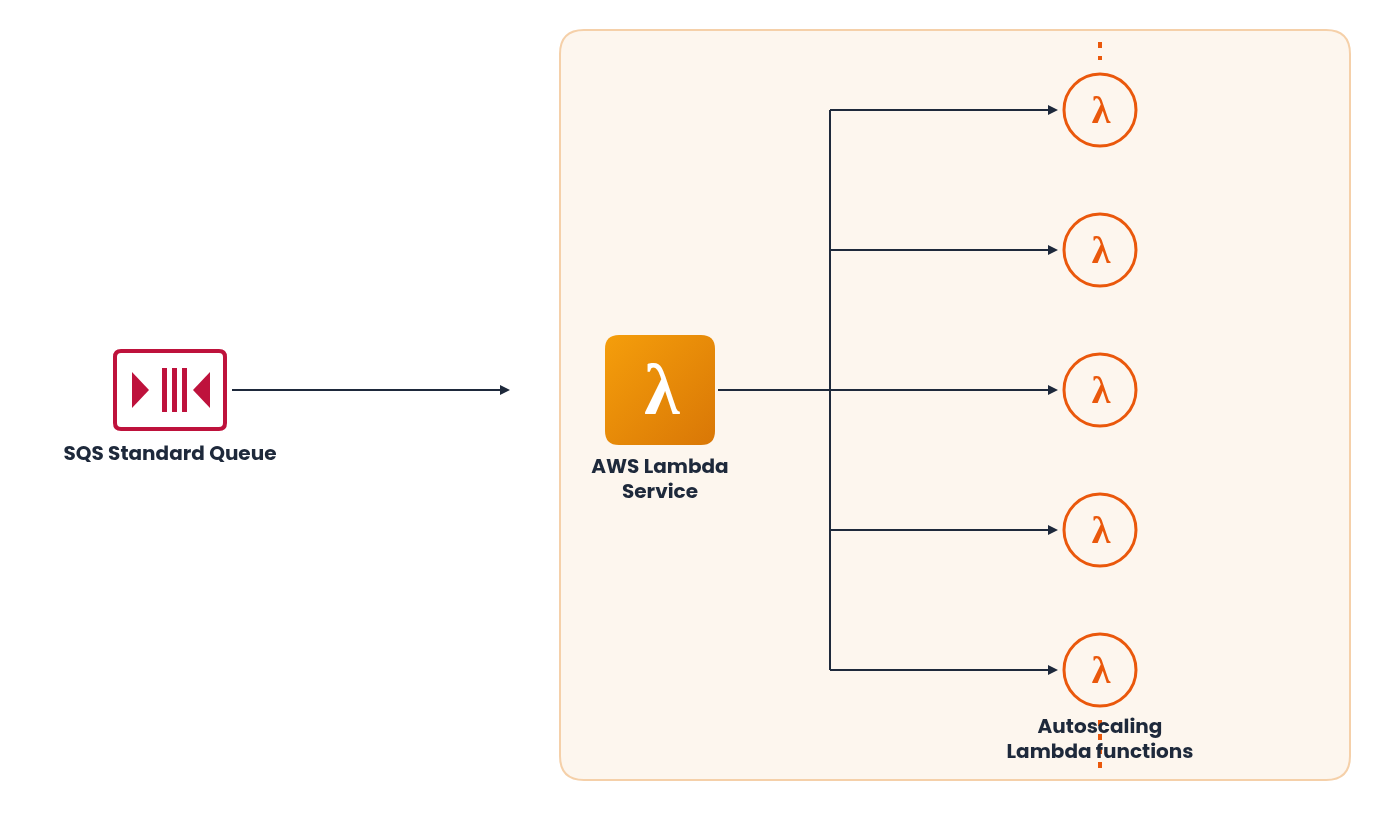
Figure 2.8 - AWS SQS to Lambda architecture showing fault-tolerant automation workflows that automatically scale to handle sudden volume spikes without data loss
Trend 4:
Nonprofit sector opportunity
The nonprofit sector continued to be an increased area of focus for Easie in 2025 after observing that nonprofit organizations can benefit substantially from tech-enabled operations and focused AI implementation projects. Implementing technology initiatives to complement staff and volunteers can significantly accelerate the ability for a nonprofit organization to serve a higher number of people at lower costs, strengthen mission-critical activities and increase operational efficiency on time-consuming day-to-day tasks. This is especially critical in 2025 given historic budget cuts to nonprofits at the federal level this past year.
Recent comprehensive studies from TechSoup (1,321 respondents) and Forvis (230+ respondents) reveal a striking paradox in nonprofit AI adoption. While 96% of nonprofit professionals have at least a basic understanding of AI and 86% are exploring generative AI tools like ChatGPT, 76% of organizations lack a formal AI strategy and 80% have no AI acceptable use policy (2). This creates a critical gap where 42% of organizations report that only one to two staff members are experimenting with AI tools, often "under the table" without official guidance (2). Organizations are blocked from comprehensive AI initiatives not by lack of interest, but by the absence of strategic frameworks and policies to guide responsible adoption.
The research shows intensifying operational pressure, with 65% of nonprofits hampered by staffing shortages and 77% experiencing increased demand for programs and services (3). Despite these constraints, 60% express strong interest in AI for grant writing assistance and fundraising optimization (2). Notably, larger nonprofits (budgets over $1M) adopt AI tools at roughly twice the rate of smaller organizations (2), highlighting a digital divide that nonprofits and foundation partners could address through strategic support.
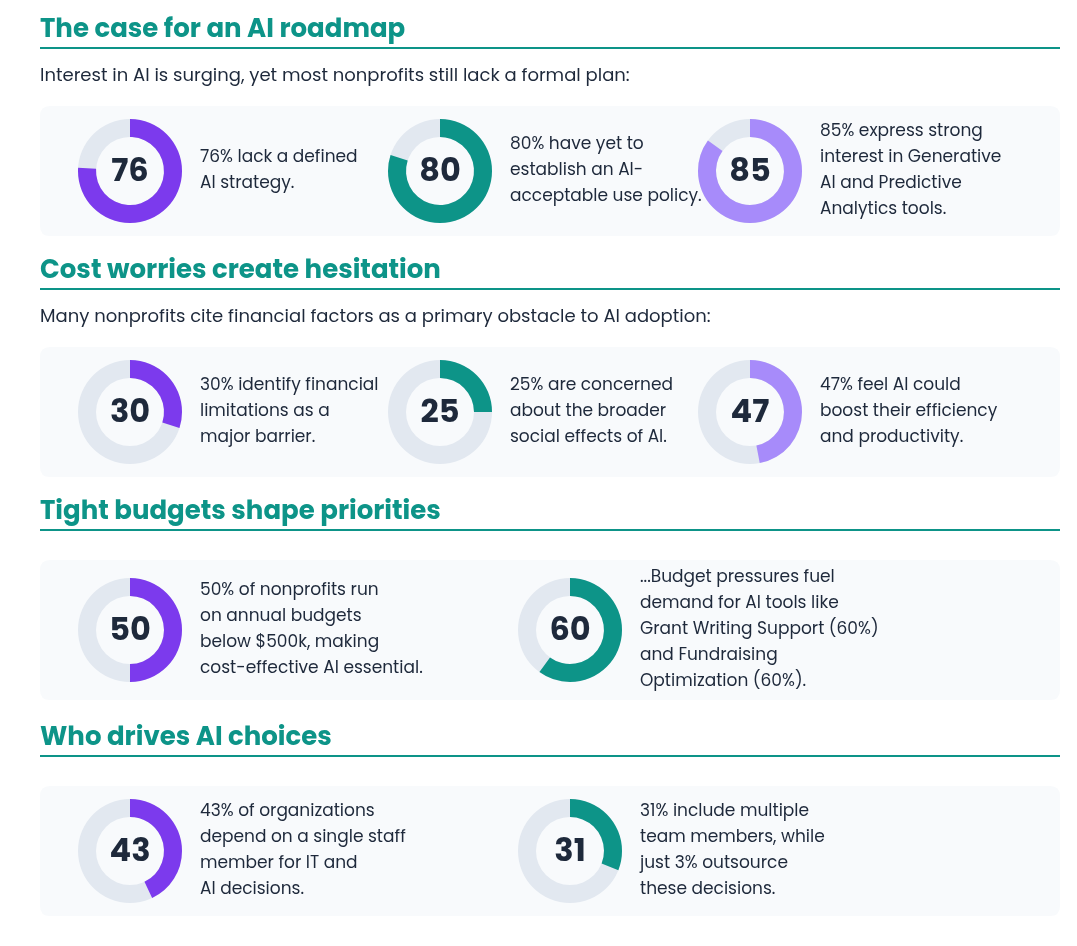
Figure 2.9 - AI strategy metrics from TechSoup Nonprofit Survey (2)
After noticing this continued trend from multiple nonprofit clients, Easie released an article on our blog titled "How nonprofits are using AI and automation to achieve operational excellence”.
We also saw consistent demand for AI workshops and training programs for nonprofits. Easie provided multiple in-person events to conduct staff AI training that helped onboard leadership teams to support decision-making related to feasibility studies and pilot projects.
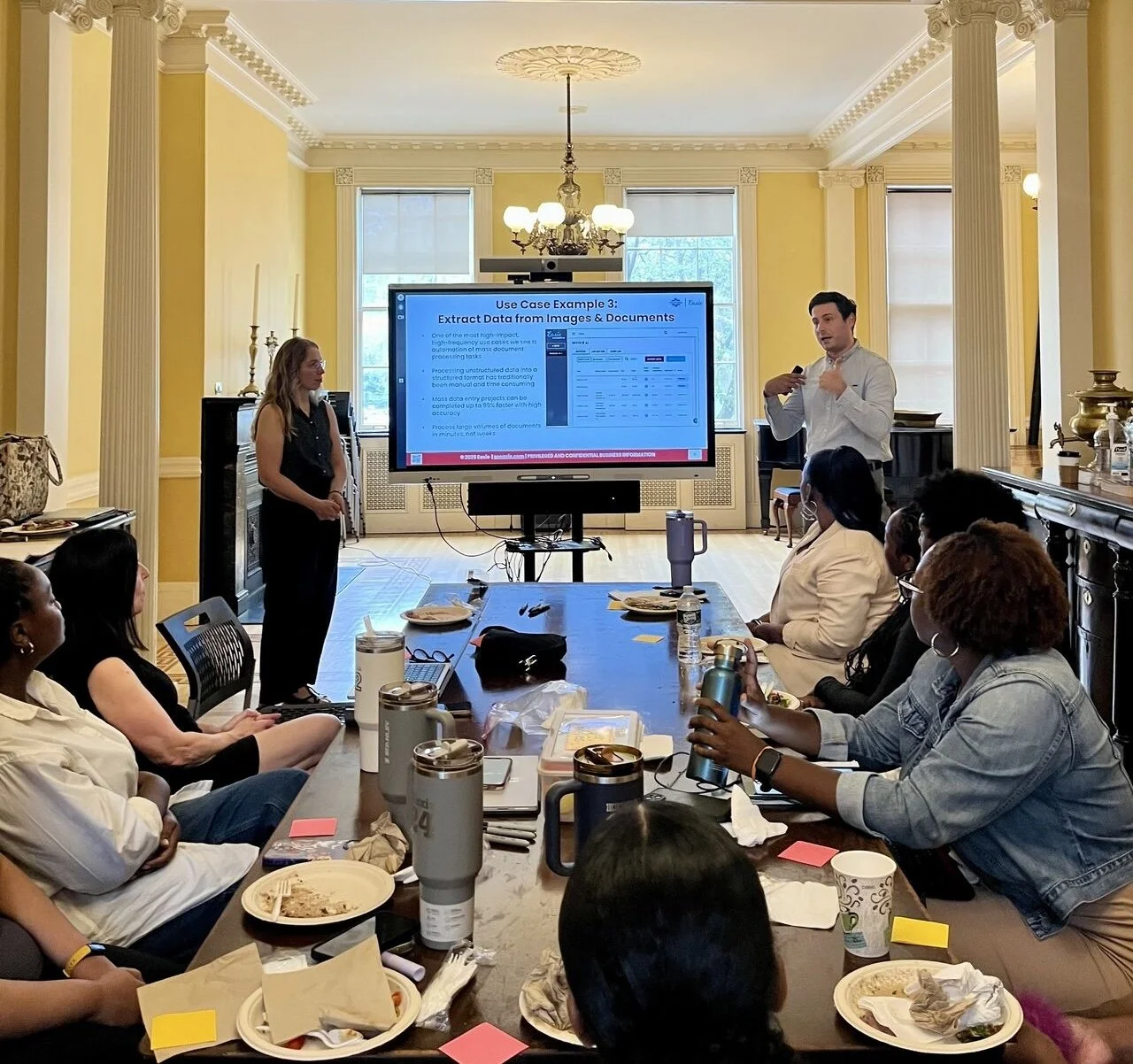
Figure 3.0 - Easie CEO Rock Vitale and Arensa Consulting Founder Linnea Cederberg presenting an AI overview workshop to Henry Street Settlement, an New York-based nonprofit
While 47% of nonprofits believe AI can improve efficiency and only 30% see cost as a significant obstacle (2), concerns about privacy and ethical AI use underscore why formal policies are essential. In 2025, Easie also partnered with Arensa Consulting through our partnership program to offer broader, more comprehensive data services to nonprofits.
Prior to investing in any new software, technology or operational improvement initiative, Easie strongly suggests that nonprofits conduct a thorough technical and operational audit using the Easie Pain Point Prioritization Matrix:
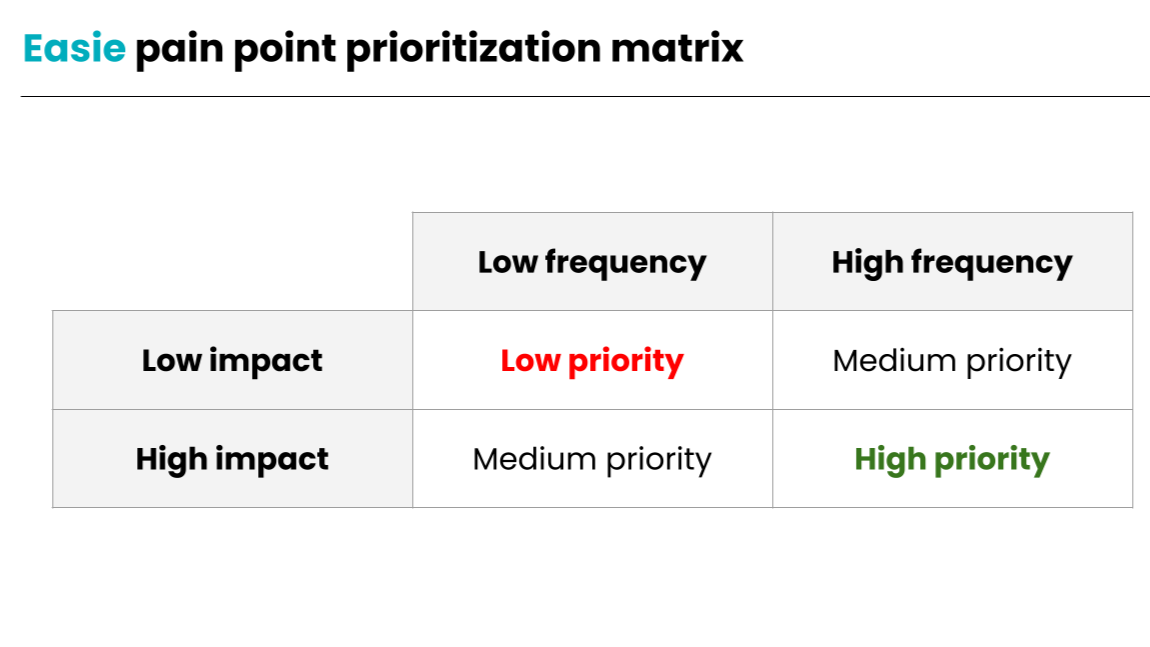
Figure 3.1 - The Easie Pain Point Prioritization Matrix
This systematic approach helps organizations evaluate operational challenges across impact and frequency dimensions, ensuring leadership teams and foundation partners make data-driven decisions about where AI implementations will deliver the greatest return on investment.
Seeing consistent opportunity in the sector, Easie is continuing to make focused investments into R&D related to technology and product offerings for the nonprofit sector and will continue to roll out these initiatives going into 2026.
Trend 5:
Almost all of Easie’s projects in 2025 involved tech-enabled services
Beyond the nonprofit sector, Easie also partnered with accelerators, venture capital firms and other service providers through Easie's partnership program to expand service offerings and provide complementary expertise to clients across industries.
The vast majority of Easie's 2025 projects incorporated technology-driven solutions. Beyond traditional services like web development, brand management and creative design, client demand shifted significantly toward projects requiring custom software systems, automated workflows and specialized applications to achieve project objectives. This evolution reflects broader market recognition that many operational challenges now require scalable, automated solutions rather than manual service delivery alone.
2025 projects saw a combination of Easie configuring third-party systems along with implementing our proprietary software stack using EasieOps to deliver integrated solutions customized to specific client requirements.
Easie's capacity to rapidly build custom applications with user authentication, database architecture and API integrations has become central to client success. These implementations typically address mass data processing needs, automated business system analysis, workforce management at scale, or statistical analysis of large datasets.
Our R&D initiatives focus on expanding tech-enabled capabilities based on client demand and measurable outcomes. Throughout 2026, we will continue developing specialized technology services informed by client feedback and systematic evaluation of emerging opportunities.
Easie advocated for sensible AI policy that would remove barriers to innovation
Easie's founder and CEO, Rock Vitale, collaborated with state and federal lawmakers to advocate for sensible AI public policy. With even the largest AI firms like OpenAI advocating for clear policy frameworks and guardrails, this work helped position the sector for continued growth and success as the conversation evolves at the federal level toward standardized approaches.
Figure 3.2 - Easie CEO Rock Vitale presents to the General Law Committee of the CT State Legislature on 2025 senate bill SB2.
Figure 3.3 - Easie CEO Rock Vitale speaks at the CT state capitol alongside Senator Richard Blumenthal on 2025 federal bill S.2938.
Featured projects of 2025
New case studies added to the Easie website
Easie’s portfolio page includes over 600 case studies characterized into project types demanded by clients over the past eight years. Clicking on a category leads to a collection of micro-case studies for that specific service (e.g. engineering).
Engineering, operational excellence, artificial intelligence, analytics and research were some of the most frequently requested types of projects in 2025. The following featured projects represent the broad, specialized skills and creativity of the Easie team:
Plans for 2026
Building on the progress from 2025, here are a few key areas we are planning to focus on in 2026:
Expand partnerships with new and existing clients. Execute master services agreements, unique collaboration opportunities and other partnership initiatives. Consider work in the public, private and nonprofit sector including state and federal RFPs.
Continue rolling out tech-enabled solutions for clients using EasieOps and other tools. Building on existing research and current initiatives underway, continue rolling out and scaling EasieOps to support clients in tech-enabled operational excellence.
Continue research using emerging technology. The Easie R&D team led by James Lee will continue to work on targeted engineering initiatives in the Easie lab while considering both B2B and B2C ideas.
Grow the Easie team via thoughtful recruiting. The continued growth of the Easie team is a critical element of our business model. We continue to advance our firm using demand-driven recruiting efforts.
Easie executive team

Rock W. Vitale, CEO

Rock founded Easie in early 2018 and brings significant experience to the business. He is responsible for overseeing new business development, creative direction, product, research, operational excellence, client relations and journalistic efforts.
His career has encompassed multiple industries including energy, software engineering, AI, lithium batteries, biotechnology, analytics, research, design, field services and international supply chain management.
Rock graduated from Champlain College’s Stiller School of Business with a Bachelor of Science in International Business. He is also a certified project management professional (PMP) and was a Dangerous Goods Safety Advisor (DGSA) from 2015 to 2020.

James Lee
Head of Research & Development
James joined Easie in 2020 to apply his knowledge and experience in project management and business development. He is a subject matter expert in technical project management, complex research and niche tax compliance.
His accomplishments include multidisciplinary research and development of program areas in design, business and software development, fintech, competitive intelligence and other expanding areas. James also frequently contributes to drafting, review and editorial for multidisciplinary creative projects within Easie.
His previous experience includes financial compliance consulting for Fortune 100 to Fortune 500 companies. He led and managed projects pertaining to analyzing and monitoring large sets of data, developing process efficiencies and automation, researching gray area topics and compliance with mandated regulations and requirements.
James’ educational background is centered around business administration and accounting. He is a certified project management professional (PMP) and a certified member of the Institute for Professionals in Taxation (CMI).
Conclusions
Once again, thank you to the Easie community for the support in this business model over these past eight years. Your continued support has shown that clients across diverse industries see significant value from implementation-focused solutions from a centralized team of experts.
We look forward to addressing your interesting projects in 2026 and beyond.

We can help you with solutions for your next project
Ready to get started?
Citations
https://mlq.ai/media/quarterly_decks/v0.1_State_of_AI_in_Business_2025_Report.pdf
https://pages.techsoup.org/hubfs/Downloads/The%20State%20of%20AI%20in%20Nonprofits%202025.pdf
https://www.forvismazars.us/forsights/2025/02/2025-state-of-the-nonprofit-sector-report
https://vizuara.substack.com/p/from-text-to-insights-hands-on-text
https://docs.pinecone.io/guides/get-started/build-a-rag-chatbot